Occupational Therapy for Kids: Helping Children Succeed in Everyday Life
⏱️ 5 min read
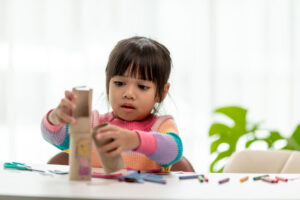
When people hear the words occupational therapy, many think it is only for adults. In reality, occupational therapy for children plays a very important role in helping kids manage daily activities, learn better, and feel more confident in their own bodies.
At Seedlings, we often meet parents who say, “My child is intelligent, but struggles with simple things,” or “My child avoids writing, dressing, or playing with other kids.” These everyday challenges are exactly where pediatric occupational therapy helps.
This blog will help you understand what occupational therapy is, which children benefit from it, and how it supports overall child development.
What Is Occupational Therapy for Children?
Occupational therapy for kids focuses on helping children perform daily life activities independently and confidently. These activities include playing, learning, writing, dressing, eating, and interacting with others.
A trained occupational therapist for children works on improving skills that allow a child to function better at home, school, and in social settings.
Therapy sessions are usually fun, play based, and designed around the child’s interests.
Which Children Need Occupational Therapy?
Occupational therapy supports children with a wide range of challenges. A child may benefit from OT if they have difficulty with:
- Fine motor skills like holding a pencil or using scissors
- Gross motor skills like balance and coordination
- Sensory processing issues
- Attention and focus
- Self care skills such as dressing or feeding
- Handwriting and classroom tasks
- Social interaction and play skills
Many children who attend occupational therapy are otherwise bright and curious. They simply need structured support to build essential life skills.
Signs Your Child May Need Occupational Therapy
Parents often notice small struggles before anyone else. Some common signs include:
- Difficulty holding crayons, pencils, or spoons
- Avoiding drawing, writing, or coloring
- Poor balance or frequent falls
- Sensitivity to noise, textures, or touch
- Difficulty sitting still or focusing
- Trouble with buttons, zippers, or shoelaces
- Delayed self care skills for age
These challenges may be signs of developmental delay, sensory processing difficulty, or motor coordination issues.
Understanding Sensory Processing Issues in Children
One of the most common reasons children are referred to occupational therapy is sensory processing difficulty.
Some children are overly sensitive to sensory input, while others may seek constant movement or pressure.
Examples include:
- Covering ears for normal sounds
- Avoiding certain clothing textures
- Refusing messy play
- Constantly running, jumping, or spinning
- Difficulty calming down
Occupational therapy for sensory issues helps children regulate their responses and feel more comfortable in everyday environments.
How Occupational Therapy Helps Children
Occupational therapy addresses multiple areas of development in a structured and supportive way.
Improves Fine Motor Skills
Children learn how to use their hands effectively for writing, drawing, eating, and daily tasks.
Builds Better Coordination
Activities improve balance, posture, and body awareness, helping children move with confidence.
Supports Sensory Regulation
Therapy helps children process sensory input without feeling overwhelmed or under stimulated.
Encourages Independence
Children learn self help skills like dressing, feeding, and organizing schoolwork.
Improves Attention and Classroom Readiness
Occupational therapy supports focus, sitting tolerance, and task completion, which are essential for school success.
Occupational Therapy and School Performance
Many children struggle in school not because of learning difficulties, but due to underlying motor or sensory challenges.
Occupational therapy helps with:
- Handwriting improvement
- Better posture during class
- Increased attention span
- Improved ability to follow routines
- Confidence during group activities
This makes OT extremely valuable for preschool and school age children.
Occupational Therapy for Children with Autism
Children on the autism spectrum often benefit greatly from occupational therapy.
OT supports:
- Sensory regulation
- Daily living skills
- Play and interaction skills
- Emotional regulation
When combined with speech therapy and early intervention, occupational therapy helps children with autism become more independent and confident.
Role of Parents in Occupational Therapy
Parents are a vital part of the therapy process. Occupational therapy does not stop at the center.
Parents can help by:
- Following home activity plans
- Encouraging independence rather than doing tasks for the child
- Maintaining consistent routines
- Celebrating effort, not perfection
When parents actively participate, progress becomes faster and more meaningful.
How Seedlings Provides Occupational Therapy for Kids
At Seedlings, our occupational therapy program is designed to support the whole child.
Our approach includes:
- Detailed child developmental assessment
- Individualized therapy plans
- Play based and child friendly sessions
- Parent guidance and counseling
- Collaboration with speech therapists and educators
We focus on practical skills that make everyday life easier for children and parents.
Frequently Asked Questions Parents Ask
Is occupational therapy only for children with special needs?
No. Many children without diagnoses benefit from occupational therapy.
At what age can occupational therapy start?
Occupational therapy can begin as early as toddlerhood.
How long does occupational therapy take?
The duration depends on the child’s needs and consistency of sessions.
Will my child become independent?
With early intervention and parent support, many children show significant improvement.
Final Thoughts for Parents
If your child struggles with daily tasks, sensory challenges, or school activities, occupational therapy can make a meaningful difference. These struggles are not a reflection of poor parenting or lack of intelligence.
Early occupational therapy for children helps build skills that support learning, independence, and confidence for life.
🌱 At Seedlings, we believe every child deserves the right support to grow comfortably and confidently.